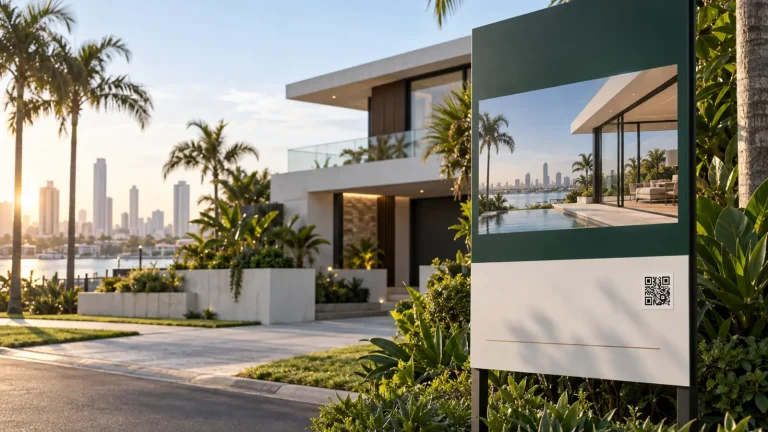

Real-estate signs are unusual marketing assets. They sit in a highly relevant geographic location, attract attention from people who already live nearby and remain visible through multiple stages of a property campaign. Yet once a listing sells, the digital value of the board often drops to almost zero.
The value of the sign changes after the sale
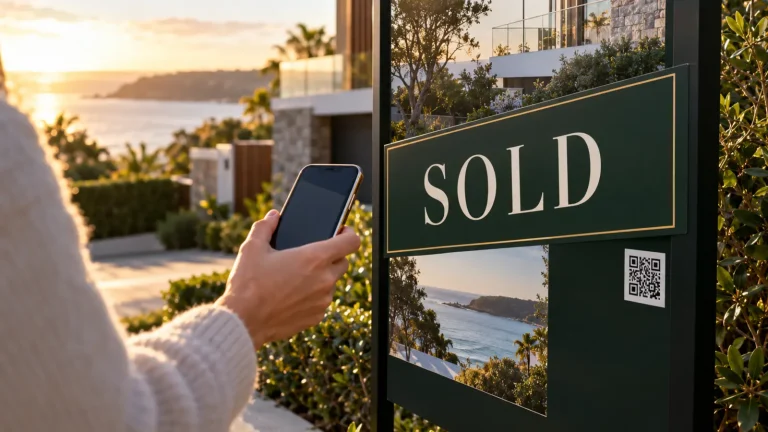
During a live campaign, a scan should help a buyer or interested neighbour get useful property information. After the sale, the same location creates a different opportunity: the board is visible evidence that the agency has just transacted in that street or neighbourhood.
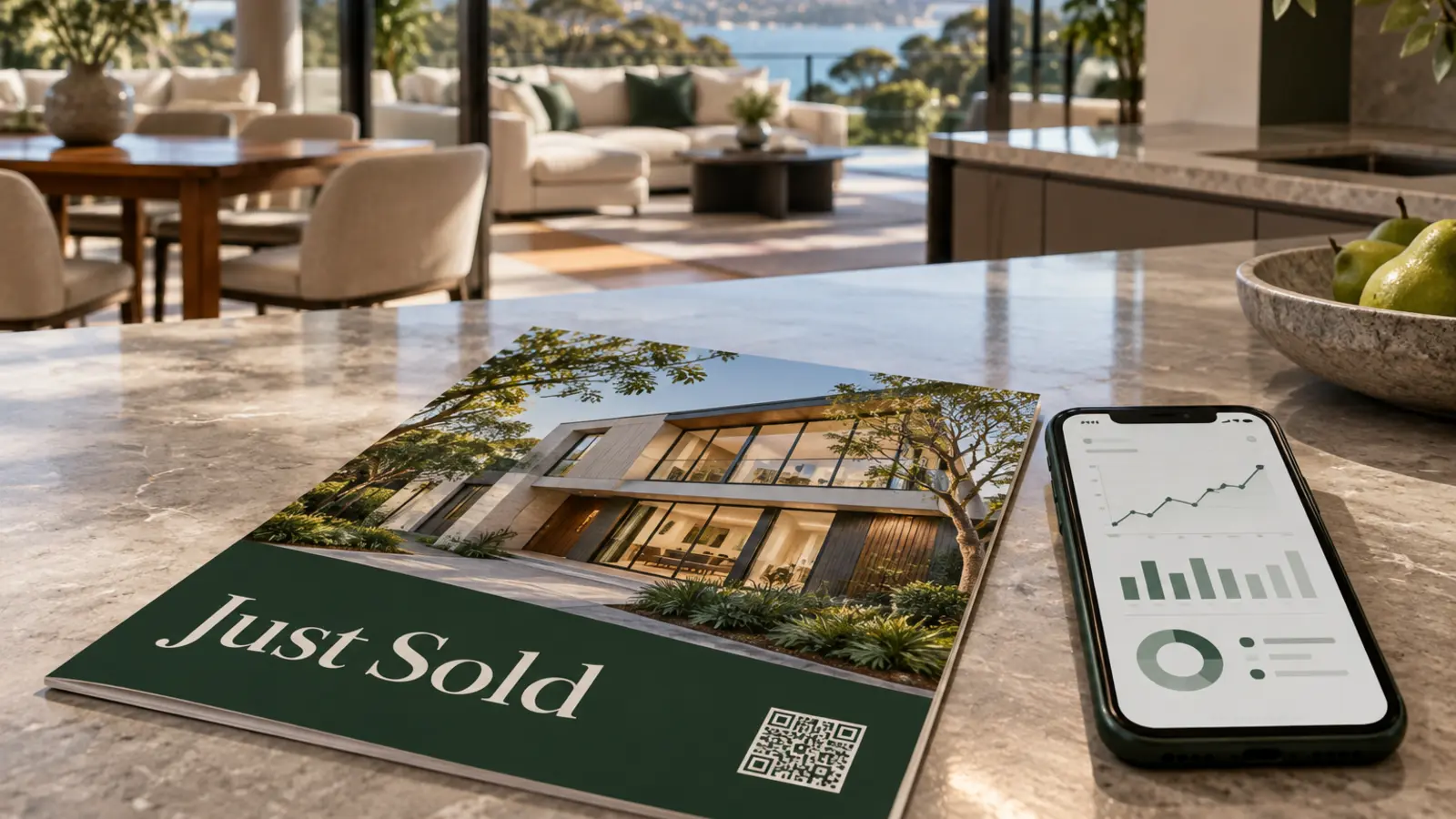
That makes a SOLD sign a logical place to offer a local appraisal, market update or seller conversation. The physical asset has not changed, but the most valuable digital action behind it has.
A permanent QR identity makes that possible
With Hotlink, the QR belongs to the physical sign rather than one specific listing URL. The agency can assign the sign to a property, update its lifecycle state and change the destination without reprinting the code.
- For Sale: route to the active property experience.
- Under Contract: keep the destination current without changing the sign.
- SOLD: switch to an appraisal or seller-focused experience.
- Removed: release the sign so the same QR identity can be reused.
Measurement is the difference
A generic QR code can tell you that somebody scanned. A signage identity can tell you which physical board was scanned, which property it was assigned to, what lifecycle state it was in and whether the interaction became a lead.
That turns signage from a largely unmeasured offline expense into a channel that can be operated, attributed and improved over time.